Common Signs Your Roof Needs Repair
A roof is a critical component of any building, providing protection from the elements and contributing to structural integrity. Over time, however, roofing materials can deteriorate due to weather exposure, aging, and other factors. Recognizing early warning signs of damage is essential for maintaining the roof’s functionality and avoiding more extensive and costly issues. By understanding what to look for, property owners can take timely action and engage professional assessment when needed. This article outlines common indicators that a roof may require repair, presented in a neutral and informational manner.
Regular inspection and awareness of the roof’s condition can help identify problems at an early stage. Some signs are visible from the ground, while others may require a closer look from a ladder or through professional evaluation. It is important to approach roof maintenance with a systematic mindset, focusing on observable conditions rather than assuming outcomes. The following sections detail typical warning signs and provide context for understanding their implications.
Missing or Damaged Shingles
One of the most apparent signs that a roof may need attention is the absence or damage of shingles. Shingles can become dislodged due to high winds, impacts from debris, or as a result of aging and weathering. When shingles are missing, the underlying layers become exposed to moisture and sunlight, which can accelerate deterioration. Additionally, shingles may crack, curl, or lose their granular surface, reducing their effectiveness.
Inspecting the roof from the ground with binoculars can sometimes reveal such issues, but a closer examination is often necessary for a thorough assessment. If a significant number of shingles are missing or damaged, it indicates that the roof’s protective layer is compromised. While a single missing shingle might not pose an immediate threat, widespread loss can signal that the roof is nearing the end of its service life. Property owners should consider documenting the condition and consulting a roofing professional to determine the appropriate course of action.
Water Stains and Leaks
Water stains on ceilings or walls inside the building are strong indicators that the roof may have a leak. These stains often appear as brown or yellowish discolorations and may expand over time. Leaks can originate from various sources, including damaged flashing, compromised shingles, or blocked gutters that force water to back up under the roofing material. Detecting the exact entry point can be challenging, as water may travel along rafters before dripping into living spaces.
Unexplained moisture in the attic or a musty odor can also suggest the presence of a leak. Addressing water intrusion promptly is important to prevent damage to insulation, wood structures, and interior finishes. However, it is essential to recognize that a leak is not always directly above the visible stain, making professional diagnosis valuable. By tracing the path of water and identifying the source, appropriate repairs can be planned.
Sagging Roof Sections
A roof that appears to sag or dip in certain areas may indicate structural issues. Sagging can result from prolonged moisture exposure, which weakens the supporting framework, or from excessive weight due to snow accumulation or debris. It can also occur if the roof was not properly constructed or if there has been damage due to rot or insect infestation. A sagging roof is a serious concern because it affects the roof’s ability to shed water and can lead to further deformation.
Observing the roofline from a distance can help identify unevenness. Inside the attic, one might notice bowed rafters or a noticeable curve in the ceiling. If sagging is visible, it is advisable to have the structure evaluated by a professional, as this may involve more than just surface repairs. Ignoring such signs can allow the problem to worsen, potentially compromising the building’s stability.
Granules in Gutters and Downspouts
Accumulation of shingle granules in gutters or at the base of downspouts is another sign that the roofing material is aging. Asphalt shingles are coated with granules that protect them from UV rays and add fire resistance. Over time, these granules can wear away, especially if the roof is older or has experienced severe weather. When a large amount of granules is found in the gutter debris, it suggests that the shingles are losing their protective layer and may become more vulnerable to weathering.
This process is part of the natural aging of the roof, but accelerated granule loss can indicate a higher rate of deterioration. Homeowners may notice bare spots on the shingles where the underlying material is exposed. While some granules in gutters are normal after installation, a persistent and significant presence warrants attention. Consulting a roofing specialist can help determine if the shingles are still functional or if replacement is necessary.
Damaged Flashing and Sealants
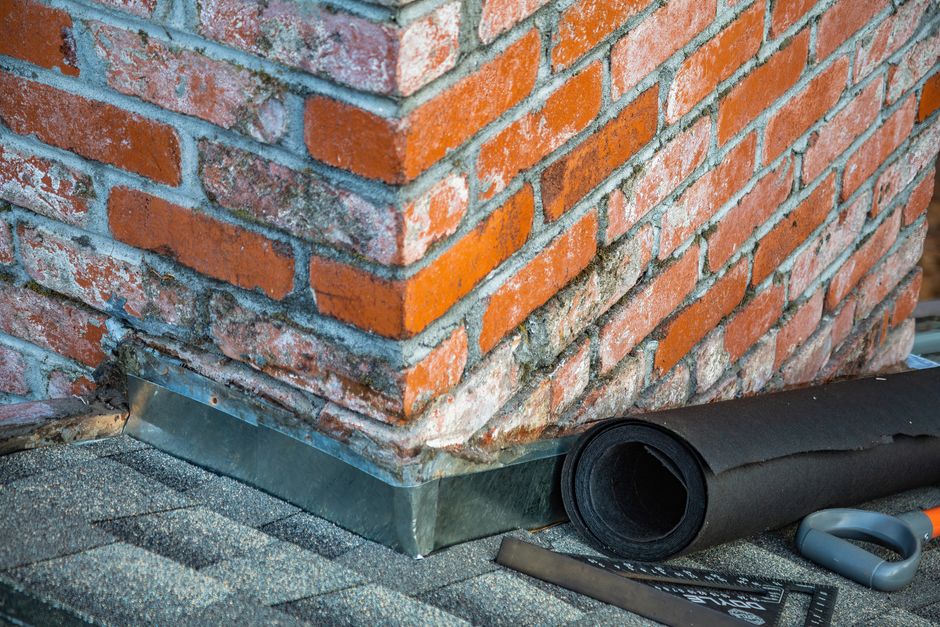
Flashing is the material used to seal joints and transitions on the roof, such as around chimneys, vents, and skylights. Over time, flashing can corrode, crack, or pull away from the surfaces it is meant to protect. Similarly, sealants used to waterproof these areas can deteriorate, allowing water to penetrate. Damaged flashing is a common source of leaks, often occurring in areas that are not immediately visible from the ground.
Signs of flashing issues include visible rust, gaps, or loose sections around roof penetrations. Inside the building, water stains near chimneys or skylights may indicate flashing problems. Since flashing plays a critical role in directing water away from vulnerable points, maintaining its integrity is essential. If damage is detected, repairs should be considered to prevent water from entering the structure.
Daylight Through the Roof Boards
In the attic, if daylight can be seen through the roof boards, it is a clear sign that the roof has gaps or deterioration. This condition might be due to missing shingles, holes in the sheathing, or previous damage that was not properly repaired. Such openings allow not only light but also moisture, insects, and small animals to enter the building, leading to a range of problems.
Inspecting the attic during daylight hours can reveal these gaps. While small holes may seem insignificant, they can expand over time and contribute to water damage. Addressing these issues promptly is important to maintain the roof’s overall effectiveness. A professional assessment can determine the extent of the damage and the best approach to repair it.
Recognizing the signs that a roof may need repair is a proactive step toward maintaining a building’s envelope. While some indicators are more obvious than others, all of them merit consideration. It is important to note that the need for repairs depends on various factors, including the age of the roof, the severity of the damage, and the specific materials used. Engaging a qualified roofing contractor for a thorough inspection can provide clarity and help property owners make informed decisions. Regular maintenance and timely attention to warning signs can contribute to the long-term performance of the roof.