Asphalt Shingles vs Metal Roofing Which Lasts Longer
When considering a new roof, one of the central questions involves the expected lifespan of the materials under consideration. Asphalt shingles and metal roofing represent two popular options, each with distinct characteristics regarding durability, maintenance, and overall cost. This article provides a detailed comparison of these roofing materials, focusing on their longevity, cost considerations, and maintenance requirements. By understanding the factors that influence roof performance, homeowners can make an informed decision that aligns with their specific needs and local climate conditions.
The longevity of a roofing system is not solely determined by the material itself; it is also influenced by installation quality, ventilation, and environmental factors. Asphalt shingles have been a traditional choice for many homes, while metal roofing has gained popularity for its durability and energy efficiency. This analysis aims to present factual information without promoting one product over another, allowing readers to weigh the evidence based on their own priorities.
The following sections explore the expected lifespans of asphalt shingle and metal roofs, the cost implications over time, and the maintenance practices that can affect performance. Additionally, considerations such as climate suitability and environmental impact are discussed to provide a comprehensive overview. It is important to note that actual outcomes may vary depending on specific circumstances, and professional advice is recommended for individual roofing decisions.
Expected Lifespan of Asphalt Shingles
Asphalt shingles are one of the most common roofing materials in the United States, and their typical lifespan ranges from 20 to 30 years. However, this range is influenced by several factors, including the quality of the shingles, the climate, and the quality of installation. For instance, architectural shingles are generally thicker and may last longer than standard three-tab shingles, but they still fall within a similar lifespan range. In regions with extreme temperature fluctuations or high humidity, the degradation of asphalt shingles can accelerate, leading to a shorter service life.
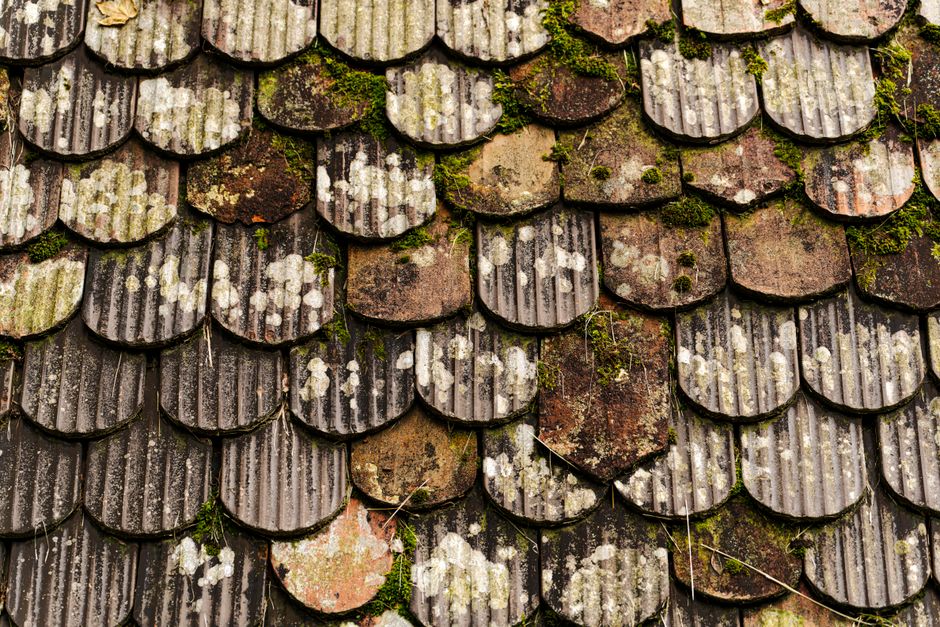
The composition of asphalt shingles includes a fiberglass or organic mat coated with asphalt and mineral granules. Over time, exposure to ultraviolet (UV) radiation and weathering can cause the shingles to become brittle and lose granules, which reduces their effectiveness. Proper attic ventilation and adequate insulation can help extend the life of asphalt shingles by reducing heat buildup and moisture accumulation. Regular inspections and timely repairs of damaged shingles can also contribute to a longer roof life, but even with diligent maintenance, asphalt shingles will eventually need replacement.
Homeowners should also consider that certain warranties for asphalt shingles may be prorated, meaning the coverage decreases over time. While a new asphalt roof may have a warranty of 25 to 30 years, the actual performance may be lower in harsh climates. Therefore, the longevity of an asphalt shingle roof is not guaranteed and depends on multiple variables. For those seeking a cost-effective initial investment, asphalt shingles offer a lower upfront cost, but the need for replacement within a couple of decades should be factored into the long-term budget.
Longevity of Metal Roofing
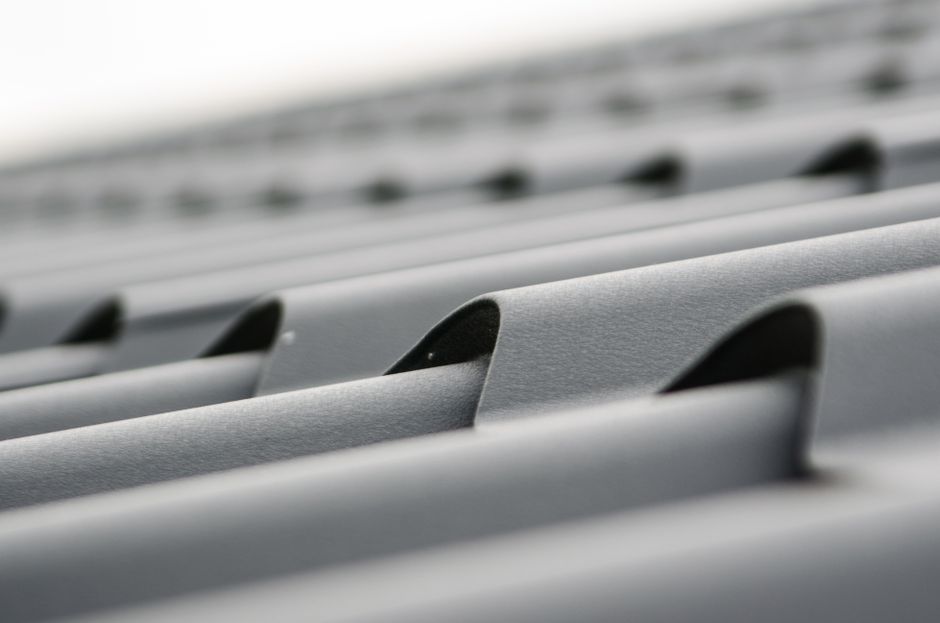
Metal roofing systems are known for their exceptional durability, with many manufacturers offering warranties of 30 to 50 years, and some premium materials such as standing seam metal roofs can last even longer. The lifespan of a metal roof is largely attributed to the properties of the metal itself, which is resistant to cracking, shrinking, and erosion. Common materials include steel, aluminum, and copper, each with varying levels of corrosion resistance. For example, galvanized steel is coated with zinc to prevent rust, while aluminum offers natural corrosion resistance, making it suitable for coastal environments.
One of the key factors in metal roof longevity is the quality of the finish. Modern metal roofs often have painted coatings that provide UV protection and prevent fading. When properly installed with appropriate fasteners and flashings, a metal roof can remain watertight for decades. Additionally, metal roofs are designed to expand and contract with temperature changes, reducing the stress on the material. This ability to withstand thermal movement contributes to its long service life.
However, the longevity of a metal roof can be compromised by improper installation, such as using incompatible fasteners or inadequate sealing around penetrations. In areas with high wind or hail, the gauge (thickness) of the metal plays a role in impact resistance. Thicker metal panels are more resistant to damage, and some metal roofing systems are rated for high wind speeds and impact resistance. Overall, metal roofing offers the potential for a significantly longer lifespan compared to asphalt shingles, but the actual performance depends on the material quality, installation practices, and environmental conditions.
Cost Considerations: Initial Investment and Long-Term Value
The initial cost of a metal roof is typically higher than that of an asphalt shingle roof. On average, metal roofing can cost two to three times more per square foot than asphalt shingles. This includes both materials and labor, as metal installation requires specialized skills and tools. For a typical single-family home, a metal roof may cost between $15,000 and $30,000, while an asphalt shingle roof might range from $5,000 to $12,000. These figures vary based on roof size, pitch, complexity, and regional labor rates.
When evaluating cost over the lifespan of the roof, the longer durability of metal can offset the higher initial expense. For instance, if an asphalt shingle roof lasts 20 years and a metal roof lasts 40 years, a homeowner would need at least two asphalt roofs in the same period, potentially leading to comparable total costs. Moreover, some homeowners may find that metal roofs contribute to energy savings by reflecting solar heat, which can reduce cooling costs in warmer climates. This energy efficiency is not typically a significant factor for asphalt shingles, which absorb more heat.
It is important to consider that the cost of roof replacement also includes disposal of the old roof, which may vary depending on the material. Metal roofs are often recyclable at the end of their life, whereas asphalt shingles are commonly sent to landfills. Some regions may have fees for shingle disposal, adding to the overall cost. Homeowners should also factor in maintenance costs over time, as discussed in the next section.
Maintenance Requirements and Their Impact on Longevity
All roofing materials require some level of maintenance to preserve their functionality and extend their lifespan. Asphalt shingle roofs are prone to issues such as curling, cracking, and granule loss, which can be exacerbated by poor ventilation, algae growth in humid climates, and impact from hail or debris. Regular inspections, especially after severe weather, can help identify damaged shingles that need repair. Cleaning gutters and trimming overhanging branches are also recommended to prevent water backup and physical damage. While some basic maintenance can be done by homeowners, professional inspections are advisable for detecting underlying issues.
Metal roofs generally require less maintenance than asphalt shingles, but they are not maintenance-free. Periodic checks for loose fasteners, sealant integrity, and any scratches or dents in the metal are necessary. In coastal areas, salt spray can accelerate corrosion if the metal is not properly coated. Keeping the roof surface clean from leaves and debris is important to prevent moisture retention and potential corrosion. Additionally, any penetrations, such as vents or chimneys, should be inspected for proper sealing to avoid leaks.
Proper maintenance can significantly influence the expected lifespan of both roofing types. For example, promptly addressing minor issues can prevent them from developing into major problems, thereby extending the roof’s service life. However, maintenance alone cannot overcome fundamental material limitations. Climate plays a substantial role: asphalt shingles may degrade faster in extreme heat, while metal roofs can be susceptible to denting in areas with large hail. Homeowners should consider their local weather patterns and seek professional recommendations on the most suitable material for their specific conditions.
Climate Suitability and Environmental Factors
The choice between asphalt shingles and metal roofing is often influenced by the local climate. In hot, sunny regions, metal roofs reflect solar radiation, which can help reduce indoor temperatures and lower cooling costs. Ashphalt shingles, on the other hand, absorb heat, potentially increasing attic temperatures and requiring more energy for cooling. In cold climates, both materials can perform adequately, but metal roofs shed snow more easily due to their smooth surface, reducing the risk of ice dams. However, snow and ice may slide off metal roofs suddenly, posing a safety hazard if not managed with snow guards.
In areas prone to hurricanes or high winds, metal roofing systems that are properly installed and meet certain wind ratings can offer better resistance compared to asphalt shingles, which may be more susceptible to uplift. Impact resistance is another factor: some metal roofs are designed to withstand hail, while certain asphalt shingles have impact-resistant ratings. Coastal environments with saltwater exposure require materials that resist corrosion, and aluminum or specially coated metal roofs are often recommended, whereas asphalt shingles may be less affected by salt but can be prone to algae growth in humid conditions.
Environmental considerations may also influence a homeowner’s decision. Asphalt shingles are petroleum-based and are not easily recyclable, contributing to waste. Metal roofs often contain recycled content and are fully recyclable at the end of their life, which can be a priority for eco-conscious consumers. Additionally, the energy-saving properties of metal roofs can reduce the carbon footprint over time, although the production of metal materials has its own environmental impact. Ultimately, the best choice depends on the homeowner’s values, budget, and the specific demands of their location.
It is essential to consult with a qualified roofing professional to evaluate the specific conditions of your home and climate before making a final decision. The longevity of a roof is influenced by numerous factors, and a tailored assessment can provide guidance suitable for your situation.
In summary, both asphalt shingles and metal roofing offer distinct advantages and considerations. Asphalt shingles provide a lower initial cost and are widely available, but they have a shorter lifespan and may require more frequent maintenance. Metal roofing offers a longer potential lifespan and greater durability, but the upfront investment is higher. The decision should be based on a thorough evaluation of your budget, climate, and long-term plans. By understanding the factors that affect roof longevity, you can make a choice that aligns with your needs.